Why SGV Parents Struggle to Find a Good Performing Arts Summer Camp Near Arcadia
If you search for a performing arts summer camp in Arcadia or the broader San Gabriel Valley, the big LA parent roundups send you to Culver City, Santa Monica, DTLA, or Woodland Hills, and skip the SGV almost entirely. That gap is real. This guide is written specifically for families in Arcadia, Temple City, Monrovia, San Marino, Duarte, and Pasadena who want a serious performing arts program within a reasonable drive, along with the practical knowledge to compare options before writing a check.
What Type of Performing Arts Summer Camp Does Your Child Actually Need?
The single biggest mistake parents make is enrolling a child in the wrong camp format. There are four distinct types, and they serve very different goals.
Single-Discipline Camps (Acting-Only, Dance-Only, or Vocal-Only)
These focus one session entirely on one art form: pure scene study and improv for actors, technique and choreography for dancers, or breath support and range-building for singers. They are the right pick when your child already knows what they love and wants to go deeper in one area before fall auditions or competition season.
Multi-Discipline “Triple Threat” Camps
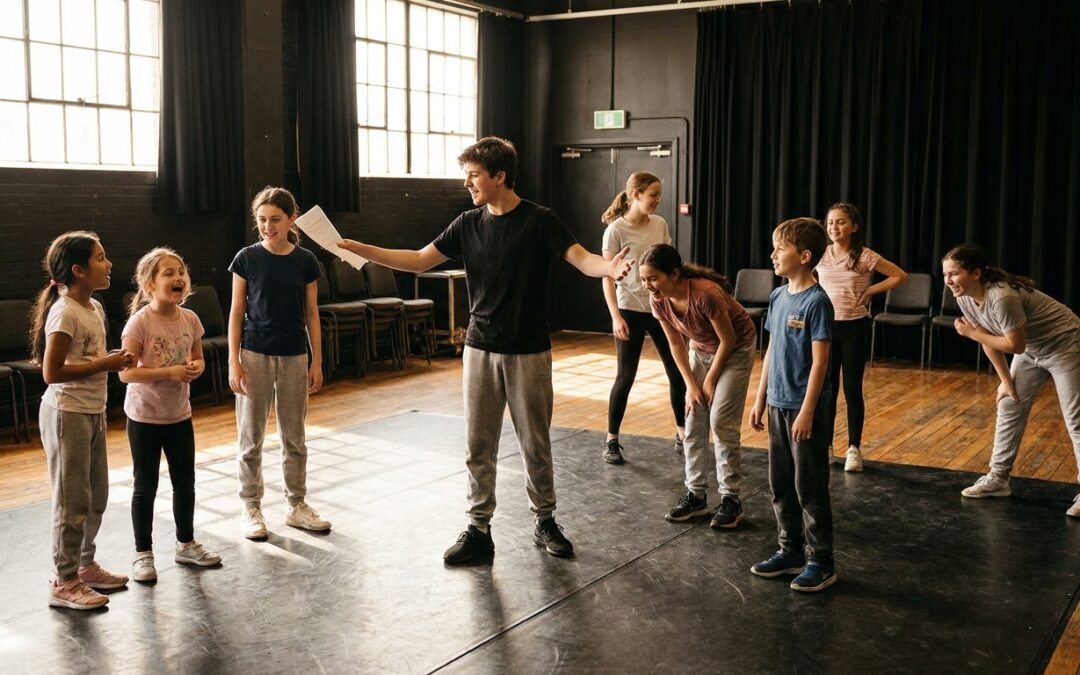
A musical theater or triple-threat format gives campers daily rotating blocks of acting, singing, and dance. Most culminate in a showcase that combines all three. This is the best starting point for kids who are exploring, or for parents who want to see which discipline sparks the most engagement before committing to a year-round track.
Pre-Professional Intensives
These are structured more like conservatory training than a camp. Sessions run two to four weeks, faculty carry real industry credits, and work may include audition technique, industry-ready headshot prep, and cold-reading drills. Some screen applicants. This format suits teens aged 12 and up who are already training and want to use the summer to accelerate toward a specific goal, whether that is a competitive dance team, an acting agent meeting, or a vocal showcase. Creation Talent Academy’s conservatory approach, training acting, dance, singing, and action acting under one roof in Arcadia, reflects this model, and its professional dance training partnership with KOD Arcadia shows how a summer intensive can feed directly into a fall program with real industry connections.
Recreational Day Camps
These run five days a week, typically around 9 a.m. to 3 p.m., with optional extended care. The goal is fun and exposure, not skill progression. Great for ages 5-7 who need a play-based introduction to the stage, but not the right fit if your child is ready to build a reel, prep a monologue, or compete.
| Camp Type | Best Age | Session Length | Ideal Goal |
|---|---|---|---|
| Recreational Day Camp | 5–8 | 1 week | Exposure, confidence, fun |
| Multi-Discipline / Musical Theater | 7–12 | 1–2 weeks | Exploration, first showcase |
| Single-Discipline Focus | 9–14 | 1–2 weeks | Deepening one skill |
| Pre-Professional Intensive | 12–18 | 2–4 weeks | Audition prep, industry track |
What Is the Right Age to Start a Performing Arts Summer Camp?
Age band matters more than most camp websites admit. Here is the breakdown industry educators and agents commonly use.
- Ages 5–7 (play-based): Focus on imaginative play, movement, and listening games. Structured acting technique is too early. A light musical theater day camp is fine; a two-week intensive is not.
- Ages 8–11 (skill-building sweet spot): Industry consensus, including from agents and managers, points to this band as the right time to begin structured acting, dance, or vocal training. Kids can take direction, hold focus, and retain technique between sessions.
- Ages 12–18 (intensive and audition track): Teens benefit most from a pre-professional format: cold-reading, scene breakdown, choreography at a competition level, and vocal performance under pressure. This is the age to start thinking about which summer program connects to fall conservatory enrollment or an audition calendar.
Audition Required or Open Enrollment: What Is the Difference?
Many LA-area youth camp programs are explicitly non-competitive and open enrollment, every child who registers gets cast and performs in the showcase, with roles assigned by staff. This is the right fit for beginners and younger campers. Conservatory-style intensives may screen applicants, or at minimum, place students by skill level after an initial assessment. Neither model is universally better; the right choice depends on where your child is in their training.
Ask any camp these two questions before enrolling: (1) How are roles or parts assigned? (2) Is there a placement assessment, and what happens if my child is placed below their current level?
Day Camp vs. Two-Week Intensive: How Do the Formats Compare?
| Factor | Day Camp (1 week) | Two-Week Intensive |
|---|---|---|
| Daily hours | ~9 a.m.–3 p.m. | ~9 a.m.–3 p.m. or longer |
| Skill progression | Introductory | Moderate to significant |
| Showcase | Usually 1 short performance | Full staged production or showcase |
| Price range (LA market) | $200–$500 | $600–$1,200+ |
| Best for | First-timers, ages 5–9 | Returning students, ages 10+ |
| Fall program continuity | Rare | Common at conservatory schools |
The fall continuity point is one of the most overlooked factors for SGV families. A one-off day camp at a rec center ends on Friday and restarts from zero the next summer. A summer intensive at a year-round performing arts conservatory like Creation Talent Academy in Arcadia is designed to roll directly into fall enrollment, so the skills, the instructors, and the peer group carry forward. If your child is serious, that continuity is worth more than a marginally cheaper standalone camp.
What Should a Quality End-of-Session Showcase Look Like?
Every reputable performing arts summer camp ends with a family showcase or performance. Here is what separates a quality showcase from a rushed curtain call.
- Every camper performs in a visible role, not just background filler.
- Live or backed vocals, not lip-sync, for vocal programs.
- Choreography that was actually taught during the session, not a recycled piece from last year.
- A real stage or performance space, not a classroom with chairs moved to the sides.
- Feedback or a highlight moment parents can record, share, or use in an audition reel.
The showcase is also your best diagnostic tool. Watch whether the instructors are in the front row coaching or in the back. Watch whether the kids look confident or just relieved when it ends. That tells you more than any brochure.
Common Mistakes to Avoid
- Booking by price alone. A lower tuition often means less experienced faculty, recycled curriculum, or a showcase with add-on fees that close the gap anyway.
- Ignoring add-on fees. Some camps charge separately for photos, video, costumes, mic use, set design, and even family tickets to the showcase. Ask for a fully itemized cost before enrolling.
- Choosing a camp too far from your child’s level. A five-year-old in a teen intensive, or a trained 14-year-old in a beginner day camp, will both have a poor experience.
- Skipping the faculty check. Verify that instructors have real performance or coaching credits, not just that they “love kids.” Industry-credited faculty make a measurable difference in skill transfer.
- Treating summer camp as a standalone event. If your child is serious about performing arts, the summer should connect to something: a fall conservatory program, an audition, a competition team, or a vocal showcase track. Read about how students who train year-round build toward bigger opportunities, like Mystic Inscho’s path from CTA to the global idol stage.
- Skipping the location reality check. Most big LA camp roundups list programs in Culver City, Santa Monica, DTLA, Woodland Hills, and Torrance. If you live in Arcadia, Temple City, or Monrovia, those commutes eat into your child’s energy before rehearsal even starts.
Frequently Asked Questions
What age is best to start a performing arts summer camp?
Ages 8–11 is the widely cited skill-building sweet spot for structured acting, dance, and vocal training. Children ages 5–7 do best in play-based, recreational formats. Teens 12 and up are ready for a pre-professional intensive with audition prep and industry-track curriculum.
Do performing arts summer camps in Arcadia or the SGV require an audition?
Most open-enrollment camps do not require an audition, roles are assigned by staff and every camper performs. Pre-professional intensives may screen applicants or assess skill level upon arrival and place students accordingly. Always ask before registering.
How much does a performing arts summer camp cost in the LA area?
A one-week day camp typically runs $200–$500. A two-week intensive in the greater LA market commonly runs $600–$1,200 or more depending on faculty credentials and program depth. Always ask for a fully itemized breakdown, including any showcase, costume, or video fees, before you enroll.
What is the difference between a summer camp and a summer intensive?
A day camp prioritizes fun and exposure over a short week. A summer intensive is structured like conservatory training: longer sessions, deeper technique, industry-credited instructors, and a meaningful showcase. Intensives at year-round academies often feed directly into fall enrollment, giving students a continuous learning path rather than starting over each summer.
Are there performing arts summer camps specifically in Arcadia or the San Gabriel Valley?
Most regional camp roundups point SGV families toward Pasadena or the Westside, skipping Arcadia almost entirely. Creation Talent Academy, located at 1229 S. Baldwin Ave in Arcadia, offers conservatory-level acting, dance, singing, and action acting training for ages 5–18, making it one of the only programs serving the SGV foothills with industry-credited faculty year-round.