What Is K-Pop Idol Training, and Is It Different from a Cover Dance Class?
K-pop idol training is a multi-disciplinary performance program that develops vocal technique, dance precision, stage presence, and performance expression simultaneously. A casual K-pop cover dance class teaches your child a single routine, idol training builds the complete skill set that underlies every routine. If your San Gabriel Valley student is serious about kpop idol training for kids san gabriel valley, that distinction matters before you spend a dollar on enrollment.
A cover class is a great entry point. But if your child wants to perform confidently, compete, audition, or simply grow into a well-rounded performer, a structured idol-track program goes much further. At Creation Talent Academy in Arcadia, that integrated approach, dance, voice, and performance expression taught together, is the core of what the idol track delivers.
What Does a Real K-Pop Performance Training Program Include?
A serious idol-track program covers four connected disciplines. Dropping any one of them produces a weaker performer. Here is what each pillar looks like in practice:
- Vocal training: Technique, breath control, range development, pitch accuracy, and the ability to sing live while physically taxed from choreography. Voice work is not optional for idol-track students, even those whose primary role is dancing.
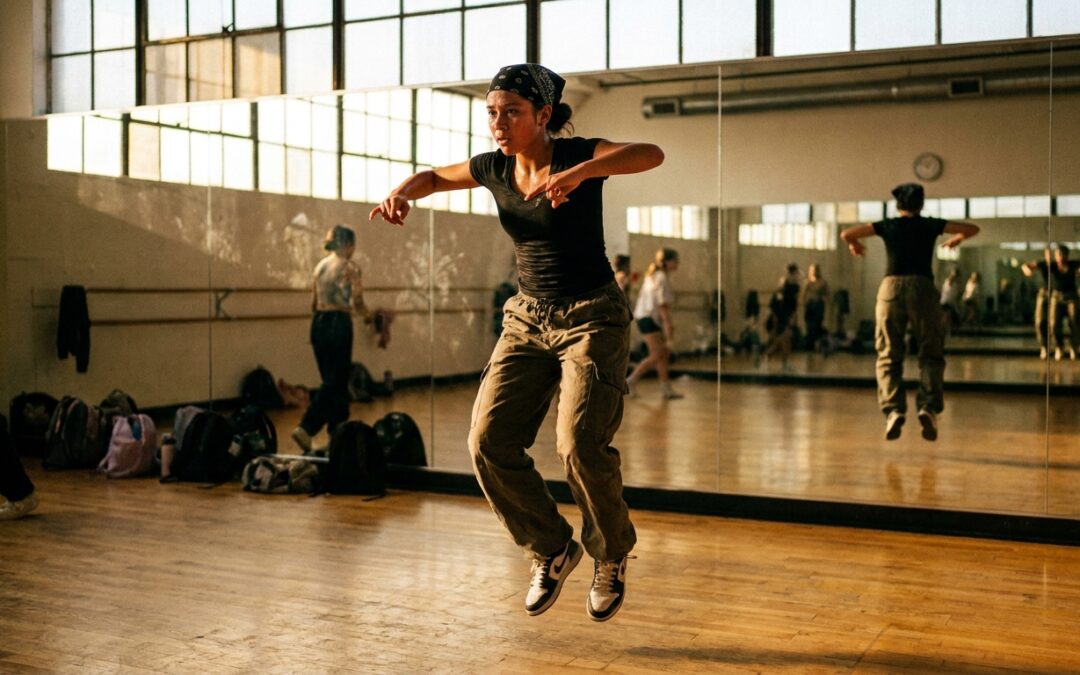
- Dance training: K-pop choreography is characterized by sharp, synchronized movement, intricate formations, and high-energy sequences that blend hip-hop, jazz, contemporary, and street styles. Training builds both technical vocabulary and the physical stamina to execute clean formations eight shows in a row.
- Stage presence and expression: Facial expression, camera awareness, group synchronization, and the ability to project personality during a performance. This is often the hardest skill to build, and the one most drop-in classes skip entirely.
- Performance integration: Putting all three skills together under pressure, in a rehearsal, at a showcase, or in an audition setting. Regular performance opportunities are where training becomes real.
CTA’s instructors bring direct industry experience, including work with world-champion dance crews and K-pop world tours, which means students get choreographic direction that reflects what actual idol training looks like, not just music video imitation.
Kids Track vs. Teen Track: What Age Should Your Child Start?
The right age to start depends on what you want the training to accomplish. Here is a practical breakdown by age group:
| Age Group | Training Focus | Realistic Goals |
|---|---|---|
| Ages 5–8 | Rhythm, coordination, basic vocal confidence, stage comfort | First recital performance, love of movement, foundation habits |
| Ages 9–12 | Dance technique (hip-hop, jazz, K-pop style), intro vocal training, group sync | Showcase performance, competition readiness, cross-training begins |
| Ages 13–15 | Full idol-track training: vocal + dance + stage presence integrated | Audition prep, competition teams, full showcase sets |
| Ages 16–18 | Advanced integrated training, audition polish, original performance development | Industry auditions, performance portfolio, advanced competition |
Children as young as 7 to 10 can begin building the foundational skills that make serious training easier later. For younger kids, the emphasis is coordination, stage confidence, and a love of performance, not technique pressure. By the time a student reaches their early teens, they have the physical and cognitive readiness to train all three disciplines at once with real intensity. CTA’s programs serve students from ages 5 through 18, meaning the curriculum actually scales with your child’s development rather than treating a 7-year-old the same as a 16-year-old.
Cover Class vs. Idol-Track Program: A Side-by-Side Comparison
| Feature | K-Pop Cover Dance Drop-In | Idol-Track Performance Program |
|---|---|---|
| Disciplines covered | Dance only | Dance + Vocal + Stage Presence |
| Curriculum structure | Routine-by-routine, often changes each session | Progressive, skill-building across weeks and months |
| Performance opportunities | Rare or none | Regular showcases, recitals, competitions |
| Instructor accountability | Variable; often no ongoing assessment | Ongoing feedback, skill tracking, audition prep |
| Good for auditions? | No, misses vocal and presence components | Yes, builds the full package agencies evaluate |
| Best for | Fans wanting to learn a favorite choreography | Students serious about performance growth |
What Outcomes Can SGV Parents Realistically Expect?
This is the question every responsible program should answer honestly, and the answer is not “your child will debut.” Reputable training programs make clear that diagnostics and training deliver skill development, feedback, and a roadmap, not a guaranteed audition slot or a debut outcome. The same principle applies locally: great training in Arcadia or the wider SGV builds real, transferable skills, not promises.
What a serious SGV student can realistically reach through structured idol-track training:
- Strong technical foundation across dance, vocal, and performance, skills that transfer to school productions, competitions, and auditions of any genre
- Stage confidence that develops across recitals and showcases, not just in the practice room
- Audition readiness for local performing arts school applications, dance company callbacks, and regional competitions
- A performance portfolio built through real shows, exactly the kind of documentation that matters for future auditions
- For exceptional, dedicated students: a path toward K-pop industry auditions, supported by instructor relationships and real performance credits
CTA students have performed on stage, appeared on TV and film, been accepted into top performing arts schools, and traveled overseas to train and debut as K-pop idols. That last outcome is real, but it follows from years of disciplined training, not from enrolling in one semester of cover routines. Read about one student’s path in Mystic Inscho’s journey from CTA to the global idol stage to see what that arc actually looks like.
How Do You Choose an Idol Training Program in the Arcadia and SGV Area?
Several studios serve the Arcadia, Pasadena, Temple City, Monrovia, and San Gabriel corridor. Directory listings and thin program pages make most of them look interchangeable. Here is the checklist that actually separates a developmental program from a drop-in class dressed up in K-pop branding:
- Integrated disciplines: Does the program genuinely teach vocal, dance, and stage presence in the same curriculum, or is it a single-skill class with “idol” in the name? Cross-training across all three is non-negotiable for real idol-track development.
- Instructor credentials: Have instructors worked in the industry, with professional dance crews, recording artists, or K-pop production specifically? Ask directly, and verify.
- Age-appropriate structure: A 9-year-old and a 16-year-old need completely different training approaches. Programs that lump all ages together prioritize convenience over development.
- Class size and student-teacher ratio: Smaller classes mean more individual correction, critical for the precision that K-pop choreography demands. Ask the studio for a specific number.
- Regular performance opportunities: Recitals, showcases, and competitions are where skills solidify. A program with no regular performance component is a rehearsal loop, not a training track.
- Honest goal-setting: A trustworthy program tells you what training realistically builds, not what it can promise. Walk away from any studio selling “debut prep” as if enrollment equals an audition.
- Trial class availability: Any confident program will let your child try a class before committing. This tells you quickly whether the instruction quality and culture fit your student.
CTA in Arcadia offers training across acting, dance, singing, and action arts for students ages 5–18, with instructors holding credits from Broadway, major film franchises, The Voice, American Idol, and K-pop world tours. That combination of verified credentials and integrated multi-discipline programs is exactly what this checklist points to. The CTA x KOD Arcadia professional dance training partnership further expands what local students can access without leaving the SGV.
Common Mistakes to Avoid
- Choosing a program based on the playlist, not the curriculum. Playing K-pop music during class does not make it idol training. Ask what skills are being taught and how they progress.
- Skipping vocal training because “my child just wants to dance.” K-pop performance evaluates the full package. A student who only trains dance will be underprepared for any serious audition.
- Starting with pressure instead of foundation. Pushing a 7-year-old through intense idol-track training before they have basic coordination and stage comfort creates burnout, not stars.
- Paying for promises of industry access or debuts. No local studio can guarantee an audition outcome. Programs that imply otherwise are selling a fantasy, not training.
- Treating one summer intensive as a substitute for ongoing training. A summer program is a great accelerator, but it does not replace a consistent weekly training schedule across a full year.
- Ignoring performance opportunities. If a studio never puts students on a real stage, the training stays theoretical. Regular showcases are a program quality signal, not a bonus.
Frequently Asked Questions
What exactly is idol-track training, and how is it different from a regular K-pop dance class?
Idol-track training is a structured, multi-disciplinary program covering vocal technique, dance (including K-pop style choreography), and stage presence together in a single progressive curriculum. A regular K-pop dance class teaches choreography from one song or artist. Idol training builds the underlying skills, stamina, precision, vocal control, and performance expression, that make a student ready for auditions, competitions, and real stages, not just the practice room.
What is the right age to start kpop idol training for kids in the San Gabriel Valley?
Children as young as 5 to 8 can begin building the rhythm, coordination, and stage comfort that serious training builds on later. The best age for full idol-track integration, vocal, dance, and stage presence together, is typically 10 to 12 and up. Teens ages 13 through 18 are the primary target for advanced audition prep and competition training. Starting earlier is never wasted: foundational habits built at age 8 make the teen-track work far more effectively.
Does idol training at a local SGV studio mean my child will become a K-pop idol?
No reputable program can promise that, and you should be cautious of any that implies it. What quality idol-track training does deliver is real, transferable performance skills, strong vocal technique, polished dance execution, and stage confidence, along with a performance portfolio built through actual showcases and competitions. For exceptional, dedicated students with years of consistent training, the pathway to industry auditions becomes realistic. For all students, the skills are genuinely valuable regardless of that outcome.
How do I know if a San Gabriel Valley studio’s idol program is the real thing?
Ask four questions: Does the program integrate vocal, dance, and stage presence, or is it dance only? What are the instructors’ specific industry credentials? How often do students perform in front of a real audience? And will the studio let your child try a class before committing? A studio that answers all four confidently, with specifics, not marketing language, is worth a serious look.
My child is a beginner. Can they still join an idol-track program in Arcadia?
Yes. Beginners are welcome at well-structured programs, because idol training is about building skill progressively from wherever a student starts. The key is age-appropriate placement: a beginner at 9 enters at a different level than a beginner at 15, and a quality program structures both tracks correctly. Ask the studio whether they assess each student’s starting point before placing them in a class level.